


Car Depreciation in Twin Cities: What Your Used Car is Really Worth (and Why)
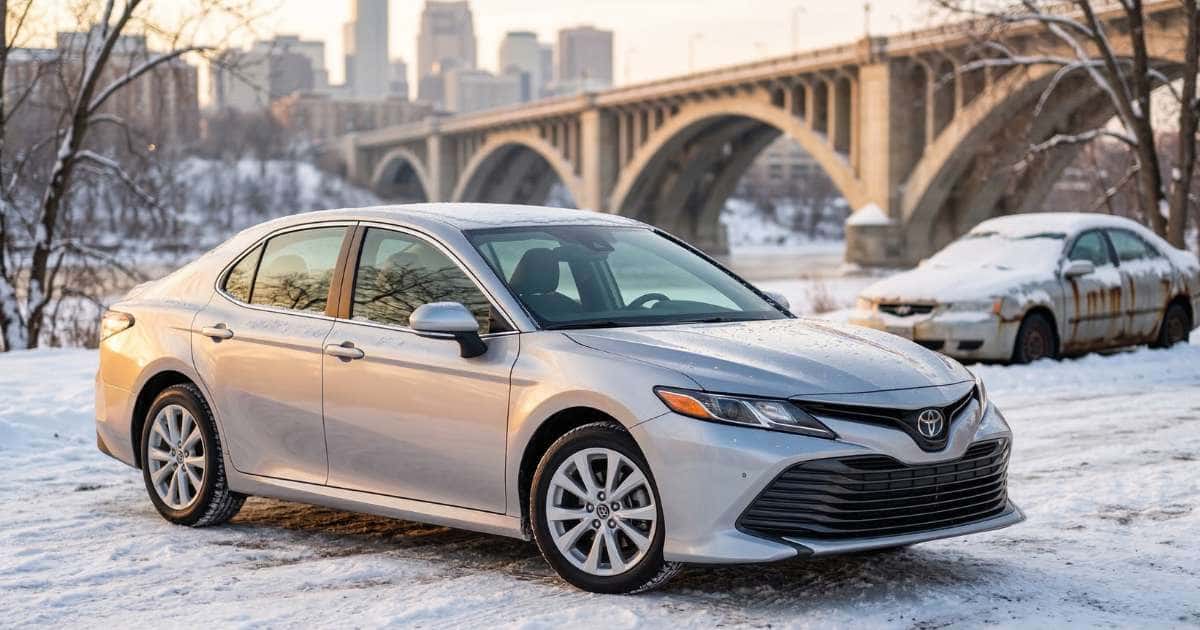
Understanding car depreciation in Twin Cities, MN goes beyond simply watching your vehicle lose value over time. It affects when you should sell, what your trade may be worth, and how to recognize value when shopping for your next used car. At CarHop of Twin Cities, we help local drivers make sense of depreciation so they can make smarter decisions with tighter budgets and real-world transportation needs.
Every vehicle loses value, but in Minnesota, that value drop often happens differently than it does in milder climates. Harsh winters, road salt, and major temperature swings all shape how Twin Cities vehicles age and what local buyers are willing to pay. If you are currently shopping, you can browse the used vehicle inventory at CarHop of Twin Cities to compare options that have already moved past the steepest part of the depreciation curve.
What Is Car Depreciation and Why Twin Cities Vehicles Are Different
Car depreciation is the gradual drop in your vehicle’s market value over time. The difference between what you paid and what your vehicle is worth today reflects a mix of age, mileage, condition, market demand, and location.
Twin Cities vehicles face unique challenges. Minnesota winters are hard on undercarriages, brakes, batteries, paint, and body panels. Heavy road salt use and repeated freeze-thaw cycles accelerate wear in ways many buyers understand instinctively, which can affect resale value more than national averages alone might suggest. Local buyers often inspect vehicles carefully for rust, winter damage, and overall condition because they know what Minnesota roads can do.
How Car Depreciation Works Over Time
The First-Year Drop
New vehicles usually lose value fastest during the first year of ownership. As soon as a new car is driven off the lot, the market begins pricing it as used. Registration, early wear, and that immediate status change often combine to create a sharp initial drop in value.
This is one reason many budget-conscious buyers choose used vehicles instead of new ones. The first owner already absorbed that steepest loss, which means later buyers may get more practical value for their money.
Years Two Through Five
After the first year, depreciation usually becomes steadier and more predictable. This phase is often where buyers find the best balance between value and remaining useful life. A vehicle that is three to five years old may still offer strong dependability while costing far less than it did when new.
That makes this period especially relevant for Twin Cities shoppers looking for reliable transportation without paying a new-car premium.
Year Six and Beyond
Once a vehicle gets older, depreciation usually slows. The car is still losing value, but the drop tends to become less dramatic because there is simply less value left to lose. At that point, maintenance history, overall condition, and market demand often matter more than age alone.
If your vehicle has already moved past its steepest depreciation years, keeping it maintained well may make more financial sense than replacing it too soon.
The Biggest Factors That Affect Used Car Value in the Twin Cities
Mileage Still Matters
Mileage remains one of the biggest drivers of value. Vehicles with mileage that aligns with normal yearly use generally hold value better than high-mileage examples. Once a car passes major mileage milestones, many buyers begin to adjust their expectations downward.
At the same time, how the miles were accumulated matters too. Highway miles often create less wear than constant stop-and-go city driving, which can make a difference when comparing two otherwise similar vehicles.
Age and Model Popularity
Vehicle age affects resale separately from mileage. Even a low-mileage vehicle still loses some value simply because the market sees it as older. Model popularity also plays a big role. In the Twin Cities, dependable sedans, winter-capable SUVs, and practical crossovers often hold value better than vehicles that do not fit local climate and lifestyle needs.
If you are evaluating your current car or comparing replacement options, local market fit is worth paying attention to.
Condition and Service History
Condition is where depreciation can accelerate quickly. Rust, worn interiors, body damage, neglected maintenance, and mechanical issues can all push a vehicle below what a simple online estimate might suggest. Service records help prove that the vehicle was maintained properly, and that documentation can support stronger value when it is time to sell or trade.
In Minnesota, rust is especially important. Undercarriage corrosion, wheel well rust, and salt-related wear can significantly change what buyers are willing to pay.
Local Demand in the Twin Cities Market
Local demand shapes value just as much as condition. When gas prices rise, fuel-efficient vehicles often become more desirable. During severe winters, all-wheel-drive models and winter-friendly SUVs can command stronger interest. Understanding what Twin Cities drivers actually want can help you better estimate what your used car may be worth.
How Minnesota Winters Speed Up Depreciation
Cold Weather and Ongoing Wear
Minnesota’s extreme cold does more than make winter commuting uncomfortable. It puts extra stress on batteries, affects fuel economy, lowers tire pressure, and increases general wear on systems that are already aging. Short trips in freezing conditions can be especially hard on a vehicle.
These factors influence how local buyers think about value, especially when comparing a Minnesota vehicle to one from a warmer state.
Salt Damage and Corrosion
Road salt is one of the biggest long-term threats to vehicle value in the Twin Cities. It speeds up corrosion on undercarriages, exhaust systems, suspension components, and body panels. Once corrosion spreads too far, the value loss can become permanent and expensive to reverse.
That is why rust inspection matters so much in this market. Buyers understand that a five-year-old Minnesota vehicle may show more weather-related wear than an older vehicle from a milder climate.
Trade-In Value vs. Private Sale vs. Retail Price
When you research your car’s value, you are likely to see several different numbers. These numbers are not necessarily contradictory. They often reflect different selling situations.
Private Sale Value
Private sales often generate the highest raw sale price because there is no dealership reconditioning cost or resale margin involved. However, they also require more effort. You have to advertise the car, answer inquiries, meet with strangers, negotiate, and handle paperwork yourself.
Trade-In Value
Trade-ins usually bring a lower number than private-party sales, but they offer convenience and speed. A dealership can often handle title work, paperwork, and in some situations payoff logistics on an existing loan. There can also be tax advantages when trading a vehicle toward another purchase, depending on the deal structure.
If you are thinking about moving into your next vehicle, visit CarHop of Twin Cities to learn more about financing options and how local trade evaluations may fit into the process.
Retail Price
Retail pricing reflects what a dealership charges after preparing the vehicle for sale, covering overhead, and standing behind the transaction. That number will usually be higher than trade-in value because the dealership has added inspection, reconditioning, and other business costs into the final price.
How to Protect Your Vehicle’s Value
Stay Ahead on Maintenance
Consistent maintenance is one of the best ways to slow unnecessary depreciation. Oil changes, tire rotations, brake service, fluid checks, and fast attention to minor issues all help protect long-term value. Keeping records matters too, because documentation helps prove care to future buyers.
Protect Against Rust and Cosmetic Wear
In Minnesota, regular washing, especially undercarriage washing during winter, can help reduce salt buildup. Fixing paint chips early, keeping the interior clean, and parking in covered areas when possible can all help preserve appearance and condition.
These small habits may not stop depreciation entirely, but they can reduce avoidable value loss over time.
How to Know When It May Be Time to Sell
Timing matters. If your vehicle is approaching major repair costs, crossing major mileage thresholds, or showing signs of worsening rust, it may be worth evaluating whether holding onto it still makes financial sense. Sometimes selling or trading before those issues grow can help preserve more value.
For buyers, the flip side is opportunity. Vehicles that have already gone through the steepest depreciation phase can offer strong transportation value at a more affordable price point. If that is where you are in your search, you can review the used vehicles available in the Twin Cities and compare options that better fit a practical budget.
Why Professional Appraisals Matter
Online calculators can be helpful for rough estimates, but they cannot fully account for local market demand, actual condition, winter wear, rust, service history, or how specific models perform in the Twin Cities market. A professional appraisal adds context that generic online tools often miss.
Whether you are considering selling, trading, or simply planning ahead, a professional opinion can help you make smarter decisions about timing, repairs, and replacement options.
Know What Your Vehicle Is Really Worth
Car depreciation in Twin Cities, MN is shaped by both normal market forces and Minnesota-specific realities like winter weather, salt exposure, and local buyer demand. Once you understand those patterns, it becomes easier to judge your vehicle’s real value, protect what you can, and make better decisions about when to hold, sell, or trade.
At CarHop of Twin Cities, we help drivers turn that knowledge into practical next steps. Whether you are comparing your current vehicle’s value or exploring your next used car, understanding depreciation can help you make a move that fits both your budget and your long-term transportation needs.
FAQs
What causes car depreciation in the Twin Cities to happen faster?
Minnesota winters, road salt, temperature swings, rust risk, mileage, and overall vehicle condition all contribute to faster depreciation in the Twin Cities. Local buyers are especially aware of winter-related wear, which can influence resale value more than in milder regions.
Is mileage the biggest factor in what my used car is worth?
Mileage is one of the biggest factors, but it is not the only one. Age, condition, service history, rust, model popularity, and local market demand all influence what your vehicle may be worth in the Twin Cities market.
Why is rust so important when valuing a used car in Minnesota?
Road salt can accelerate corrosion on undercarriages, exhaust systems, wheel wells, and body panels. Rust can lower a vehicle’s value quickly because repairs are often expensive and buyers know Minnesota vehicles may show more corrosion than vehicles from warmer climates.
Is it better to sell my car privately or trade it in?
Private sales can sometimes bring more money, but they require more time, effort, and paperwork. Trade-ins usually offer more convenience and can simplify the process if you are buying another vehicle at the same time.
Where can I get a used car appraisal in the Twin Cities?
CarHop of Twin Cities can help local drivers understand vehicle value in the context of real Twin Cities market conditions. A professional appraisal can provide more useful insight than a generic online estimate, especially when winter wear and local demand are involved.
0 comment(s) so far on Car Depreciation in Twin Cities: What Your Used Car is Really Worth (and Why)