


Fall Car Care Checklist for Twin Cities Drivers: Preparing for Minnesota’s Next Winter
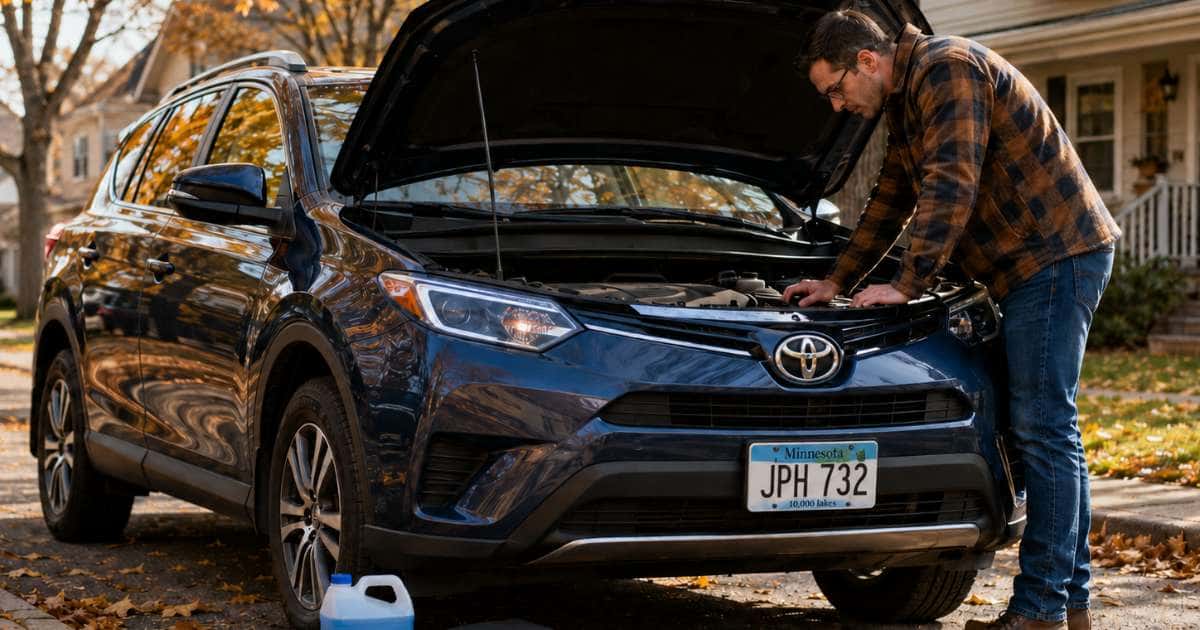
Prepare Before Temperatures Plunge
Why Fall Is the Right Time to Prepare for a Minnesota Winter
Autumn is the window between manageable and dangerous. Addressing your car’s needs now, while roads are still clear and repair shops aren’t overwhelmed with winter breakdowns, gives you both time and options. Fall car care exists precisely because proactive maintenance prevents the costly, stressful failures that hit hardest when the weather turns against you.
For Twin Cities drivers specifically, the stakes are higher than in most parts of the country. Minnesota winters are long and genuinely hard on vehicles that haven’t been properly maintained. A small issue in September can become a stranded car in January. Getting your car sorted before the cold fully sets in keeps your vehicle reliable and your budget clear of surprise repair bills.
Battery and Electrical System: Cold Weather’s First Target
Of all the systems in your vehicle, the battery takes the most immediate hit when temperatures drop. Cold weather slows the chemical reactions inside a battery, which means it has to work harder just to do its job. A battery that performs adequately during a mild October morning may fail completely on a below-zero January morning with no warning.
Signs Your Battery Won’t Last the Season
Your battery rarely fails without giving you a heads-up first. Watch for slow or sluggish engine cranking when you start the car, headlights that seem dimmer than usual, terminal corrosion or loose connections, and dashboard warning lights that flicker or stay on. If your car hesitates to start on a cool fall morning, that hesitation will only get worse once temperatures plunge.
When to Test and When to Replace
Fall is the ideal time to test your battery. Most auto parts stores and service shops can run a quick battery voltage and cranking power test at no cost. If your battery is showing weakness or is more than 3–5 years old, replacing it before winter removes one of the most common causes of cold-weather breakdowns. A new battery is a small expense compared to an emergency roadside call on a January night.
Tires and Brakes: Your First Line of Defense on Icy Roads
No component of your vehicle matters more in winter conditions than the tires underneath it. Your engine, brakes, and steering systems all communicate with the road through four small contact patches of rubber. When those patches lose their grip on ice or packed snow, everything else becomes secondary.
All-Season vs. Winter Tires for Twin Cities Conditions
The debate between all-season and winter tires is worth having honestly. For drivers who see moderate winters, all-season tires often suffice. But Minnesota is not a moderate-winter state. Winter tires are built with a softer rubber compound that stays flexible in freezing temperatures, along with tread patterns engineered to channel packed snow and slush away from the contact surface.
| Comparison | All-Season Tires | Winter Tires |
|---|---|---|
| Temperature Range | Rated for a wide range including mild cold | Optimized for consistently cold temps |
| Traction on Snow/Ice | Moderate | Superior |
| Tread Life | Longer (year-round use) | Shorter (seasonal use) |
| Best Use Case | Mild winters with occasional snow | Frequent snow, ice, and slush like Twin Cities winters |
| Cost Consideration | Single set, lower upfront cost | Higher initial cost, but preserves all-season tread |
For Twin Cities drivers who regularly face packed snow, slush, and icy mornings, dedicated winter tires are the stronger safety choice.
Tire Pressure and Brake Inspection
Tire pressure deserves close attention in fall. For every 10-degree drop in temperature, tire pressure falls by roughly 1–2 PSI, which means tires properly inflated in September may be noticeably underinflated by December. Check pressure frequently as fall progresses. Also watch for uneven tread wear, which can signal alignment issues worth addressing before winter.
Brakes should be inspected at the same time. Grinding, squealing, or a pulsing sensation when you press the pedal all point to pads or rotors that need attention. Winter road conditions demand responsive, reliable brakes, and this is not a maintenance item to defer.
Is Your Current Vehicle Ready for Another Minnesota Winter?
Explore current used vehicles across Blaine, Burnsville, Crystal, and Maplewood before winter weather arrives.
Fluids, Wipers, and Visibility Essentials
Cold weather affects nearly every fluid in your vehicle, and keeping them at the right level and condition is a core part of winter preparation. If your car is repeatedly coming up short on these checks, it may be worth exploring financing options for a more dependable vehicle rather than cycling through ongoing repairs.
Engine Oil, Antifreeze, and Other Critical Fluids
Engine oil lubricates moving parts, but conventional oil thickens in cold temperatures, increasing wear during startup on frigid Minnesota mornings. Switching to a full synthetic oil with a lower cold-weather viscosity rating gives your engine better protection. Your mechanic can recommend the right viscosity for your vehicle and our climate.
Antifreeze, also called coolant, prevents your engine from freezing and helps regulate operating temperature. A 50:50 antifreeze-to-water mix is the standard for cold regions like Minnesota. Check both the level and concentration, and top off or flush as needed. Brake fluid, power steering fluid, and transmission fluid should all be inspected as part of your pre-winter check.
Winter Wiper Blades, Washer Fluid, and Defroster Performance
Clear visibility in a Minnesota snowstorm isn’t optional. Standard wiper blades can become stiff and ice-filled once temperatures drop. Winter wiper blades are designed to shed ice and maintain consistent contact with the windshield even in heavy snow.
Regular summer washer fluid will freeze in your reservoir and lines as soon as temperatures drop below freezing. Replace it with a winter-rated formula designed to stay liquid in extreme cold. Before the season starts, test both your front and rear defrosters. A defroster that underperforms in October will leave you scraping ice in December.
Lights and Exterior Protection Against Road Salt
Check Every Exterior Light
Minnesota’s winter days are short, which means a larger portion of your driving happens in low-light or dark conditions. Walk around your vehicle and check every light: headlights, taillights, brake lights, turn signals, and reverse lights. Replace any bulbs that are out or dimming, and clean foggy headlight lenses to maximize output. Clear lights help other drivers see you during snowstorms and low-visibility conditions, both critical on Twin Cities roads.
Protect Against Salt and Corrosion
Road salt is another reality of our winters. While it keeps roads drivable, salt accelerates rust and corrosion, particularly on the undercarriage, wheel wells, and lower body panels. Washing your vehicle regularly throughout winter, including underneath, removes salt buildup before it causes lasting damage. Applying a coat of wax before the season starts creates a protective barrier on painted surfaces, and some drivers opt for a professional undercoating treatment for added protection.
What to Pack in a Winter Emergency Kit for Twin Cities Drivers
Even a well-maintained vehicle can encounter trouble in a Minnesota winter. Road conditions change fast, and being prepared for an unexpected stop or breakdown can make a serious difference. Assembling a winter emergency kit is one of the most practical steps any Twin Cities driver can take before cold weather arrives.
A solid kit should include:
- ✓ Jumper cables or a portable jump starter
- ✓ Flashlight with extra batteries
- ✓ Blanket and warm gloves
- ✓ Ice scraper and snow brush
- ✓ Small shovel
- ✓ Sand or kitty litter for traction
- ✓ Non-perishable snacks and bottled water
- ✓ Phone charger and first-aid supplies
Keep your gas tank at least half full throughout winter. This prevents fuel line freeze-up and ensures you have enough fuel if road closures or unexpected delays slow your route.
Fall Car Care Checklist at a Glance
Below is the full fall car care checklist for Twin Cities drivers, pulled together for quick reference:
- ✓
Test battery voltage and cranking power; plan replacement if older than 3–5 years or showing weakness.
- ✓
Check tire pressure and adjust frequently as temperatures fall.
- ✓
Inspect tires for uneven tread wear and consider winter tires for Twin Cities conditions.
- ✓
Inspect brake pads and rotors; address any grinding, squealing, or pulsing immediately.
- ✓
Switch to full synthetic oil; check antifreeze concentration; top off brake, transmission, and power steering fluids.
- ✓
Replace washer fluid with a winter-grade formula.
- ✓
Install winter wiper blades.
- ✓
Test front and rear defrosters.
- ✓
Check and replace any non-functioning lights.
- ✓
Wash and wax the vehicle; consider undercoating for added salt protection.
- ✓
Pack a winter emergency kit.
Running through this checklist in fall, while conditions are still manageable, removes the stress of scrambling when the first real snowstorm arrives.
Driving a Reliable Vehicle Into Winter Starts Here
Getting your current vehicle winter-ready is the right first step. But for drivers whose cars are already aging, struggling, or unreliable, fall is also a smart time to think about an upgrade before winter locks in. A vehicle with a solid battery, quality tires, and functioning heat and defrosters changes the winter driving experience entirely.
CarHop of Twin Cities specializes in helping drivers who’ve been turned away elsewhere, including those with bad credit or no credit, find reliable used vehicles with financing built in. The process is straightforward, the inventory is quality pre-owned, and the approval process is built to work for people in real financial situations. CarHop also backs its vehicles with an 18-month/18,000-mile limited warranty, which matters even more heading into a Minnesota winter.
If you’re looking for a dependable vehicle before the snow flies, we have four convenient Twin Cities locations: Blaine at 10061 Central Ave NE, Burnsville at 3511 Hwy 13 W, Crystal at 5417 Lakeland Ave N, and Maplewood at 1908 Rice St. You can also reach us at 800-600-7013 or through our contact page.
Going into a Minnesota winter with a prepared vehicle means fewer surprises, lower repair costs, and a lot less stress on those mornings when it’s dark at 7 a.m. and the roads are already glazed over. That peace of mind is worth every item on this checklist.
Related Resources for Twin Cities Drivers
Frequently Asked Questions About Fall Car Care in the Twin Cities
Why is fall the best time to prepare a vehicle for a Minnesota winter?
Fall gives drivers time to address maintenance needs while roads are still clear and before repair shops become overwhelmed with winter breakdowns.
When should a car battery be tested or replaced before winter?
Test the battery in fall. Replacement may be worth considering if it is showing weakness or is more than 3–5 years old.
How does colder weather affect tire pressure?
Tire pressure falls by roughly 1–2 PSI for every 10-degree drop in temperature, so drivers should check pressure frequently as fall progresses.
What fluids should be checked before a Twin Cities winter?
Check engine oil, antifreeze or coolant, brake fluid, power steering fluid, transmission fluid, and winter-rated windshield washer fluid.
What belongs in a Minnesota winter emergency kit?
Useful items include jumper cables or a portable jump starter, a flashlight, warm clothing, an ice scraper, a small shovel, traction material, snacks, water, a phone charger, and first-aid supplies.
Where can Twin Cities drivers browse dependable used vehicles before winter?
CarHop of Twin Cities offers used vehicles across Blaine, Burnsville, Crystal, and Maplewood. Drivers can browse inventory online or start the approval process before visiting.
Need a more dependable vehicle before winter?
Browse current Twin Cities inventory or begin the CarHop approval process online.
Disclaimer: Vehicle maintenance needs vary by make, model, mileage, condition, and manufacturer recommendations. Consult your owner’s manual or a qualified automotive technician before servicing your vehicle. Financing approval, rates, and terms are subject to application review and individual eligibility and are not guaranteed. *See dealer for limited warranty details.
0 comment(s) so far on Fall Car Care Checklist for Twin Cities Drivers: Preparing for Minnesota’s Next Winter