


Navigating Twin Cities Winters: Essential Car Maintenance for Your BHPH Vehicle
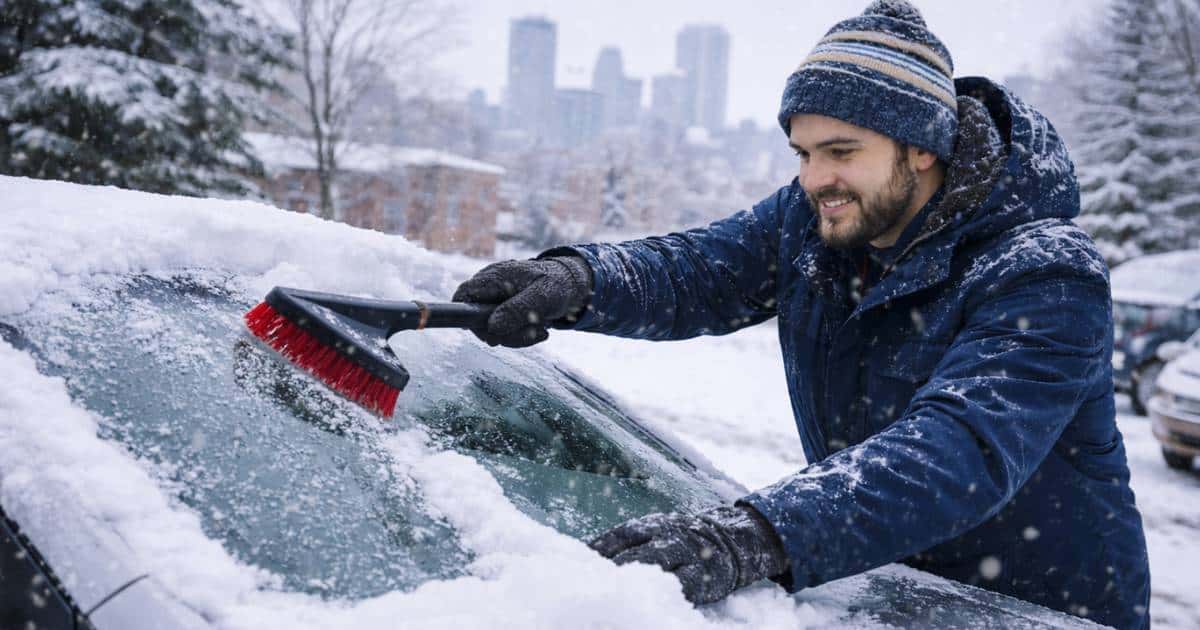
That first sub-zero morning in the Twin Cities when your car refuses to start is a rite of passage no one wants. As winter descends on Minneapolis and St. Paul, preparing your vehicle isn’t just a good idea, it’s essential for navigating months of snow, ice, and corrosive road salt. If you’ve lived here long enough to plan your week around a winter storm advisory (or to move your car before the plows hit the snow emergency routes), you already know the season doesn’t “ease in.” It shows up fast, and it sticks around, snow and ice on roads for 4–6 months is normal. This guide to winter car maintenance Twin Cities MN focuses on the basics that keep your Buy Here Pay Here (BHPH) vehicle dependable when bridges glaze over with black ice and the salt and brine on the highways start chewing at everything underneath.
Your Pre-Winter Preparation Checklist
In Minnesota, “I’ll get to it later” has a way of turning into “I’m stuck in a parking lot with a dead battery and frozen doors.” The best time to handle winter car maintenance Twin Cities MN is before the first real snowstorm, before the salt trucks start their overnight runs and you’re driving through that gritty mist on I-94 that seems to coat your whole windshield in 30 seconds.
Think of this as your pre-season tune-up for daily life: commuting on 35W, creeping through rutted side streets after a plow went by, and dealing with those surprise warmups that melt snow into slush… then refreeze it into a skating rink by morning.
Fluid Levels and Antifreeze
Your coolant/antifreeze mixture is non-negotiable here. We’re not talking “kinda cold.” We’re talking about nights that can dip below -20°F, especially when the wind is ripping across open stretches of 494 or 694. If the mixture is off, coolant can freeze, expand, and cause serious engine damage.
- Confirm the antifreeze is rated for extreme cold (down to -35°F or lower is a solid target for Minnesota).
- Check oil level and consider whether your vehicle is due for an oil change before the deep freeze.
- Top off brake fluid and power steering fluid if your owner’s manual calls for it, cold weather makes weak systems show their age fast.
Wipers and Washer Fluid
If you’ve ever followed a semi on I-94 in active snowfall, you know the “spray zone.” Worn blades smear slush instead of clearing it, and that’s how you end up leaning forward and squinting at taillights. Swap in fresh wiper blades before winter and keep an extra set in the garage if yours wear quickly.
- Use washer fluid with a de-icing formula rated for sub-zero temps (regular fluid can freeze in the lines).
- Clean the outside of your windshield thoroughly, film + road salt haze makes night driving worse.
Belts and Hoses Inspection
Cold weather makes rubber brittle. A belt that’s “fine” in October can snap on a January morning when everything is stiff and the engine is working harder. Pop the hood and do a quick visual inspection, cracks, glazing, bulges, or soft spots are all signs it’s time to replace something before it fails.
This is also the perfect time to make sure your vehicle is ready if you’re doing a lot of driving between neighborhoods, whether you’re in Crystal or bouncing around the northwest metro. If you’re currently shopping, you can browse used vehicles available in Crystal and compare options that make sense for winter commuting.
Your Battery’s Biggest Enemy: The Cold Snap
If there’s one part that gets exposed fast during a Twin Cities cold snap, it’s your battery. A car battery can lose over a third of its power at 32°F and over half at 0°F. And around here, we don’t just get one cold night, we get weeks where the daytime high barely climbs out of the negatives. That’s when a “maybe it’ll start” battery turns into a guaranteed problem.
Do yourself a favor: get the battery tested at the start of the season. Most shops can test it quickly, and it’s a lot cheaper than a tow (or missing work because your car won’t crank). If your battery is more than three years old, or if you’ve noticed slow starts when temps drop, replacing it before the first deep freeze is usually the smarter play.
- Clean battery terminals, corrosion steals power when you need it most.
- Make sure the battery is securely mounted (vibration shortens battery life).
- If you park outside, consider a plan for extreme cold nights (even a wind break can help).
And if you’re juggling a tight budget or rebuilding credit, reliability isn’t a luxury, it’s how you keep your life moving. That’s one reason people look at Buy Here Pay Here options: the goal is dependable transportation you can actually maintain. If you’re curious how that works locally, read how Buy Here Pay Here financing can help Twin Cities shoppers with bad credit.
Fighting Back Against Road Salt Corrosion
We all love that Minnesota road crews keep highways moving, but the salt and chemical brines they use are brutal on vehicles. Once the first winter storm advisory hits, you’ll see the salt trucks out early, pre-treating ramps, bridges, and major routes. It’s effective at melting ice, but it’s also highly corrosive to your undercarriage, brake lines, exhaust components, and anything metal underneath.
The tricky part is that the damage isn’t dramatic at first. It’s slow and steady: salt collects in seams, slush packs into wheel wells, and brine dries into a crust that hangs around for weeks, especially when temps stay low and nothing rinses off naturally.
Your best defense is simple: commit to regular washes all winter long, especially after storms when roads have been heavily treated.
- Aim for a wash every 10–14 days in winter (more often after heavy snow/ice events).
- Pick a wash that offers a high-pressure undercarriage spray, this is where the real protection happens.
- Don’t forget the wheel wells; that’s where slush and salt love to hide.
A pre-winter wax helps too. It’s not about having a showroom shine in January, it’s about creating a barrier so grime doesn’t stick as aggressively, especially during those messy weeks when daytime melting turns everything into brown slush.
Protecting your car from rust isn’t just about looks; it’s about preserving the value and structural integrity of your investment. If you want to learn more about local options and resources, you can start at CarHop of Twin Cities and explore vehicle and ownership tips built for Minnesota driving.
Tire Strategies for Icy Roads and Heavy Snow
Tires are where winter driving gets real. “All-season” tires can handle light snow, but they’re not designed for the packed ice you’ll find on residential St. Paul streets after repeated plowing and refreezing. And if you’ve driven Minneapolis after a thaw, you know the deep slush ruts can pull a car around like it has a mind of its own.
All-Season vs. Winter Tires
Winter tires use a rubber compound that stays flexible in extreme cold, which helps them grip when the road feels like glass, especially on bridges and overpasses where black ice forms first. They also have tread patterns designed to bite into snow and evacuate slush. They’re not legally required here, but they can make a noticeable difference in stopping distance and control.
The Importance of Tire Pressure
Temperature swings matter. For every 10-degree drop, tire pressure can drop about 1–2 PSI. That means a tire that was “fine” in October can be underinflated by December, and underinflated tires wear unevenly and reduce traction.
- Check tire pressure weekly during cold stretches.
- Make sure tread depth is strong before winter hits (bald tires on slush are a bad combo).
- Slow down and increase following distance, especially on 35W and Highway 100 where traffic compresses fast.
If you’re driving a budget-friendly commuter, tires are one of the best safety upgrades you can make without changing vehicles. For ideas on models that tend to handle Minnesota commuting well, see budget-friendly used cars for Minnesota commuters.
Assembling Your Minnesota Winter Emergency Kit
Every Minnesota driver should have a dedicated winter kit in the trunk from November to April. This isn’t just a suggestion, it’s a safety essential. Even a “quick trip” can turn into an unplanned wait if a crash blocks traffic, a snowplow closes a lane, or you slide into a drift on a side street during a snow emergency.
Start with the basics you’ll actually use when it’s dark, windy, and 10 below.
- Sturdy snow brush and ice scraper (the cheap ones snap when you need them most)
- Jumper cables
- Bag of sand or cat litter for traction
- Collapsible shovel
- Warm blankets and extra gloves
- Hat and hand warmers (small, but a big deal when you’re stuck)
- Non-perishable snacks, water, and a portable phone charger
If you ever need help getting your vehicle winter-ready or you’ve got questions about what to prioritize first, you can always reach out through our contact page.
FAQs
How often should I wash my car during a Twin Cities winter?
A good rule in the Twin Cities is every 10–14 days during winter, and more often after a snow or ice storm when roads have been heavily treated with salt and brine. If you’re seeing that white crust building up along your doors and wheel wells, it’s time. Always choose a wash with an undercarriage spray, regular rinses don’t do much for the salt that clings underneath.
Are snow tires really necessary in Minneapolis-St. Paul?
They’re not legally required, but they’re strongly recommended for Minneapolis-St. Paul driving, especially if you’re on the road early mornings, late nights, or during storms. Winter tires stay flexible in extreme cold and typically provide better traction and shorter stopping distances on ice and snow than all-season tires. That extra grip can be the difference between a calm stop and sliding through an intersection.
What’s the most important fluid to check before winter?
Your antifreeze/coolant is the most critical. If the mixture is wrong, it can freeze in extreme temperatures and cause severe engine damage. In Minnesota, you want coolant protection rated for the kind of cold we actually get, ideally down to -35°F or lower. If you’re not sure what’s in your system, have it tested before the first deep freeze hits.
My credit isn’t great. Can I still get a reliable winter car?
Yes. Many drivers shop for reliable used cars through Buy Here Pay Here options when traditional financing is tough. Dealerships like CarHop focus more on your ability to make payments than only your credit score, which can help you get into dependable transportation that can handle Minnesota winter realities. The key is choosing a vehicle you can maintain and then staying on top of winter car maintenance Twin Cities MN basics.
What should I do if my car battery dies in the cold?
First, try a jump start from another vehicle. Connect cables correctly: positive to positive, then negative to a metal ground on the dead car (not directly to the negative terminal). If it starts, let it run for at least 30 minutes to recharge. If it won’t start or it dies again soon after, the battery may be too weak for cold weather and likely needs replacement, especially after repeated sub-zero nights.
Closing Thoughts
Twin Cities winters are hard on vehicles, but a little planning goes a long way. If you remember three things, make it these: wash regularly with an undercarriage spray to fight salt corrosion, test your battery before the first deep freeze, and keep your tires (and tire pressure) ready for ice and slush. That’s the core of smart winter car maintenance Twin Cities MN drivers can count on when the forecast flips from “light snow” to “snow emergency” overnight. And if you ever need guidance on winter-ready used cars or Buy Here Pay Here basics, the team at CarHop of Twin Cities is here as a local resource, no pressure, just help.
0 comment(s) so far on Navigating Twin Cities Winters: Essential Car Maintenance for Your BHPH Vehicle