


Twin Cities Spring Car Prep: Getting Your Vehicle Ready for Minnesota’s Thaw
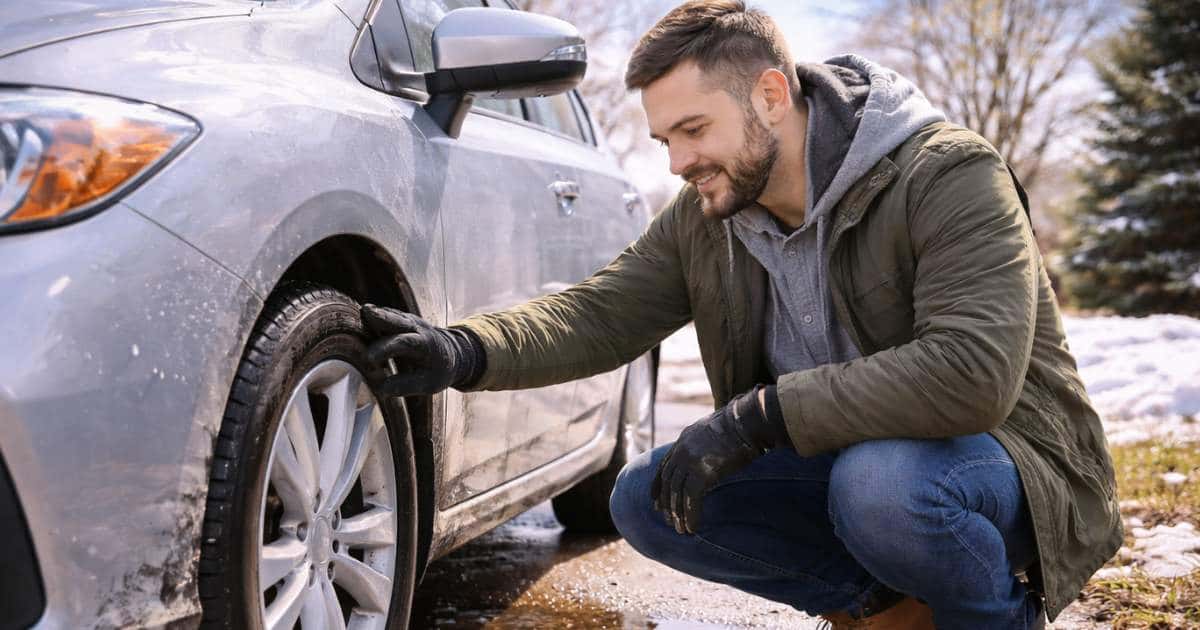
That first warm spring day in the Twin Cities feels like a victory. But after months of battling snow, ice, and endless road salt, your car is probably showing the battle scars. This guide to spring car maintenance Twin Cities MN drivers actually need will help you reverse winter wear and get your vehicle ready for sunny drives around Lake of the Isles, without ignoring the reality that we deal with snow and ice on roads for 4–6 months and then jump straight into pothole season.
If you spent the winter watching winter storm advisories pop up on your phone, moving your car for snow emergency routes, and timing errands around plows and salt truck schedules, you already know Minnesota driving is hard on a vehicle. Spring is when all that grit, brine, and cold-weather stress shows up. Let’s tackle the big items in a practical order.
Wash Away Winter: The Critical Post-Season Deep Clean
Why an Undercarriage Wash is Non-Negotiable
In Minnesota, “dirty” isn’t just cosmetic, it’s chemical. The heavy use of road salt and magnesium chloride (plus liquid brines) on major arteries like I-94 and 35W clings to the underside of your vehicle. It gets packed into seams, sprayed into crevices, and then sits there quietly doing damage. If you do one thing for spring car maintenance Twin Cities MN motorists can count on, make it an undercarriage wash.
The goal is to flush out the places that don’t get hit by a quick rinse: the wheel wells, rocker panels, pinch welds, and the underbody around suspension mounting points. Those areas collect salty slush all winter, especially after those “warm-up then refreeze” weeks when everything turns into gray, gritty paste. Rust often starts where that paste dries and gets re-wetted over and over.
A good routine is:
- Start with an undercarriage-focused wash (look for a wash that specifically advertises underbody spray).
- Do a second pass a week later if you drove a lot during the last storm cycle or you live off a heavily treated route.
- Pay attention to door jambs and hatch seams, salt water drips down and sits there.
If you want a local place to start for ongoing upkeep, you can also check out CarHop of Twin Cities service options and maintenance resources for guidance on keeping a vehicle in good shape after winter.
Detailing Your Interior After a Slushy Season
Interior damage sneaks up on you in spring. All winter, you’re tracking in snow that melts into salty water, then it dries and leaves that crunchy white residue in the carpet and floor mat edges. Over time, that salt can stain, stiffen fibers, and even create a lingering odor once the car warms up.
Do a deep clean like you mean it:
- Pull the mats and rinse them thoroughly (rubber mats need the grooves cleaned out).
- Heavy-duty vacuum around the pedals and seat rails where grit collects.
- Use a salt-dissolving carpet cleaner on the white crusty spots, don’t just wet them and spread them around.
And don’t forget your wiper blades. They’ve been scraped across ice, blasted with de-icing fluid, and frozen to the windshield more times than you can count. Spring is the perfect time to replace them so you’re ready for April showers and that wet, gritty spray that comes off the first rain on dusty roads.
Navigating Pothole Season: Suspension and Alignment Checks
If you’ve driven Hennepin Avenue after a rough winter, or hit Robert Street when the freeze-thaw cycles are at their peak, you know March and April can feel like a minefield. The constant expansion and contraction of pavement creates potholes fast, and they don’t always show up until the snowbanks shrink and the puddles stop hiding them.
One solid hit can knock your vehicle out of alignment. That matters because misalignment doesn’t just feel annoying, it can chew through tires quicker than you expect (and tires aren’t exactly a fun spring expense).
Watch for these signs after a pothole impact:
- Pulling left or right when you’re trying to go straight
- Crooked steering wheel even on a flat stretch of road
- Uneven tire wear (one edge wearing faster than the other)
- Vibration in the steering wheel, especially at highway speeds
Also listen for new noises. A fresh clunk over bumps, extra bouncing, or a “loose” feeling in the front end can point to shocks, struts, sway bar links, or other suspension components that worked overtime on icy, uneven roads, especially if you spent the winter navigating black ice on bridges and overpasses and taking things slow over rutted lanes.
Finally, do a quick tire sidewall check. If you see a bulge or bubble, that’s a red flag for internal damage from impact, and it’s not a “wait and see” item.
If you’re also thinking bigger-picture about what kinds of vehicles hold up better for Minnesota commuting, this guide on budget-friendly used cars that make sense for Minnesota commuters is a helpful read before your next upgrade.
From Snow Tires to Summer Treads: A Seasonal Swap
In the Twin Cities, tire season is a real thing, not just a suggestion. A good rule of thumb is to switch back to all-season tires once temperatures are consistently above 45°F. That usually lands in mid-to-late April, but we’ve all seen late-season snow show up right when you thought you were done. If you swap too early, you may find yourself tiptoeing around during a surprise morning freeze (especially on shaded side streets and those slick overpasses).
Why the timing matters: winter tires are softer. On warm, dry pavement, they wear down quickly and can feel squirmy. That means you’re burning through tread you’ll want next year when winter tire “requirements” (or at least winter tire common sense) kick back in and the warming houses and shelters start getting mentioned on the news again.
While you’re swapping, take five minutes to inspect:
- Tread depth and any uneven wear patterns (often tied to alignment issues from potholes)
- Sidewalls for cracks, bubbles, or scuffs from curb hits hidden by snowbanks
- Wheel condition, winter grime can hide bends or damage
Then check tire pressure. For every 10-degree change in temperature, pressure can swing about 1 PSI. After a Minnesota winter’s wild temperature shifts, subzero mornings to random 40-degree afternoons, your pressures almost certainly need attention.
One more that people forget: check the spare. You do not want to discover it’s flat on the shoulder after you’ve already used up your patience dodging spring potholes.
If you’re in the market and want to see what’s available locally, you can browse used vehicles in Crystal and compare options that fit your commute and your parking situation (street parking during snow emergencies is a whole different lifestyle).
Replenish and Recharge: Under-the-Hood Essentials
Winter is brutal under the hood. Sub-zero temperatures can cut a battery’s cranking power dramatically (up to about 50%), and if your winter driving was lots of short trips, start the car, warm up, drive a few miles, repeat, you may not have been giving the battery enough time to fully recharge. A simple battery test in spring can save you from the classic “first hot day of the year” dead-battery surprise in a grocery store lot.
Next, do a quick fluid check. For spring car maintenance Twin Cities MN drivers, washer fluid is the big one: you can usually switch from a de-icing formula to standard once overnight freezes are truly done, but keep an eye on the forecast. Also check oil and coolant levels, and look for anything that seems off (like low coolant with no obvious reason).
Spring is also a smart time to consider an oil change. Cold starts and winter moisture can contaminate oil more quickly, especially if you were driving during those weeks when salt and brine on highways basically turned every lane into a fine mist of grime.
Finally, inspect belts and hoses. The constant temperature swing, from a cold-soaked engine block to full operating temp, can accelerate cracking and brittleness. If anything looks questionable, it’s better to handle it now than on the first weekend you’re trying to get out of town.
If you’re also comparing vehicles that can handle our seasons (and you want something dependable for next winter), take a look at used vehicles in Blaine to get a feel for what’s out there.
When Spring Maintenance Reveals a Bigger Issue
Sometimes spring inspection is when you get the news you didn’t want: rust is spreading faster than you thought, brake lines are heavily corroded, or the suspension repair list is long enough to make you rethink the whole vehicle. That’s a common reality for older cars that have endured multiple Minnesota winters and years of salt exposure.
If you’re staring at a repair estimate that’s more than the car is worth, it may be time to consider an upgrade, especially if you rely on your vehicle to get to work during winter storm advisories, when bus schedules get messy and you can’t afford to be stranded.
This is where a buy here pay here option can be a practical alternative for some drivers, especially if traditional financing hasn’t been friendly. A buy here pay here Minneapolis-area dealership can look at more than just a number on a credit report.
For example, CarHop Auto Sales and Finance (CarHop of Twin Cities) specializes in helping people with bad credit or no credit history get into reliable used cars by focusing on your job and stability, not just a credit score. If that’s your situation, this guide on how CarHop’s Buy Here Pay Here financing helps Twin Cities shoppers with bad credit lays out what to expect.
FAQs
When is the best time to take off snow tires in the Twin Cities?
In the Minneapolis–St. Paul area, it’s safest to wait until daily high temperatures are consistently above 45°F, which usually lands in mid-to-late April. Switching too early can leave you caught off guard by a late-season snowfall or a week of overnight refreezing, especially on bridges and overpasses where black ice shows up first. If you’re still seeing freeze warnings or you’re driving early mornings, it’s okay to wait a bit longer.
How can I tell if a pothole damaged my car’s alignment?
The most common signs are your vehicle pulling left or right when you’re trying to drive straight, a steering wheel that sits crooked, or uneven wear on your tires. You might also feel a new vibration at highway speeds after a hard hit. In the Twin Cities, spring potholes can be deep enough to cause tire sidewall damage too, so it’s smart to visually check for bubbles or bulges and listen for new clunks over bumps.
Is an undercarriage car wash really necessary after winter?
Yes, absolutely essential in Minnesota. Road salt and chemical brines are highly corrosive, and they collect in places you don’t normally see, like the wheel wells, rocker panels, and underbody seams. If they aren’t washed off thoroughly after winter, rust can start (or accelerate) on the frame and metal components. If you only do one thing for spring car maintenance Twin Cities MN drivers should prioritize, make it a thorough undercarriage wash.
What should I do if my car needs too many spring repairs and I have bad credit?
If repair costs are stacking up, rust, suspension, tires, and “one more thing”, it may be time to consider replacing the vehicle instead of pouring money into it. If bad credit is a barrier, a Buy Here Pay Here dealership like CarHop of Twin Cities may be able to help with in-house financing based more on your income and stability than a traditional bank approval. It’s worth comparing the monthly cost of repairs vs. a payment on something more dependable.
How much does a spring vehicle inspection typically cost?
Costs vary by shop and what’s included, but many Twin Cities auto shops offer basic spring check-up packages at a reasonable price, often bundling items like a tire rotation, fluid checks, and a brake inspection. Think of it as a small investment to catch problems early, especially after months of salt, subzero starts, and rough roads. If you’ve hit a few potholes, you may want to add an alignment check as well.
Wrapping Up Your Spring Checklist
Spring driving is when the Twin Cities finally feels easy again, but your car still needs a little recovery time. Start with a real undercarriage wash to fight salt corrosion, then pay attention to pothole-season alignment and suspension warning signs. Swap tires when temps are truly steady, and give the battery and fluids a quick under-the-hood check so you’re not surprised later.
If your spring inspection turns up more repairs than you expected, you can explore reliable options and financing resources through CarHop of Twin Cities, especially if you’ve been searching for used car dealerships near me or bad credit car dealerships and want a realistic path forward.
0 comment(s) so far on Twin Cities Spring Car Prep: Getting Your Vehicle Ready for Minnesota’s Thaw