


Understanding Vehicle History Reports in Twin Cities: What Every Used Car Buyer Needs to Know
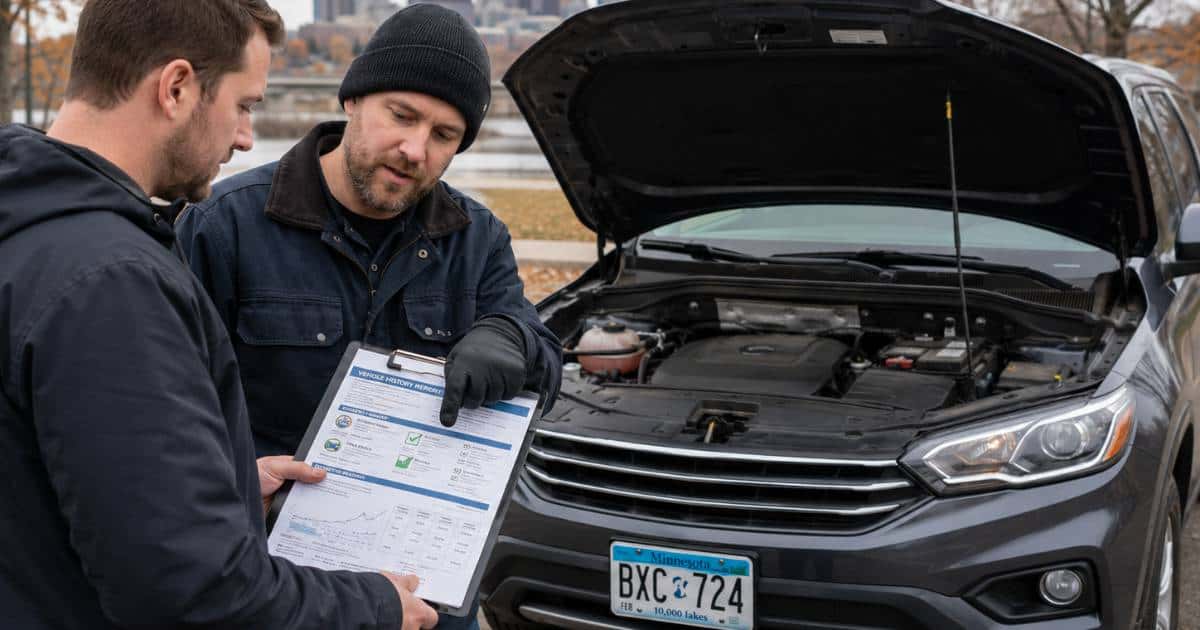
Documented History Before You Buy
Why Vehicle History Reports Matter for Twin Cities Used Car Buyers
A vehicle history report is a documented record of everything officially reported about a vehicle since it first hit the road. For buyers in Minnesota, this matters in ways that go beyond typical used car concerns.
The climate here is genuinely tough on vehicles. Snow and road salt accelerate rust and corrosion in ways that may not be visible during a casual walk-around, and freeze-thaw cycles only make it worse. A car that sat unprotected through several Twin Cities winters, or spent time in a flood-prone area, carries risks a visual inspection alone won’t reveal. A vehicle history report that Twin Cities buyers can trust will flag flood damage, prior ownership details, and any reported structural repairs.
Beyond the environmental angle, vehicle history reports protect you from fraud. Odometer rollback and title manipulation show up in these reports, and undisclosed accidents do too. These problems are genuinely common in the used car market, particularly in private party sales.
What a Vehicle History Report Actually Contains
A vehicle history report is built from data collected across dozens of sources: state DMV records, insurance companies, auto auctions, repair shops, and federal safety databases. Understanding what each section tells you helps you read the report confidently rather than just skimming for a green checkmark.
Accident and Damage History
The accident history section details whether the vehicle was involved in any reported collisions, how severe those incidents were, and whether any insurance claims were filed. It can also indicate whether airbags deployed, which often signals a significant impact.
One word buyers sometimes overlook is “reported.” Minor fender-benders handled privately between drivers may never appear in any database. Still, any accident history on record deserves a thorough read. A single collision properly repaired by a certified shop is very different from a vehicle with multiple claims or frame damage.
Title Brands: Salvage, Rebuilt, and Flood Designations
Title brands carry real weight in a vehicle history report. A salvage title means a vehicle has been declared a total loss, typically because the cost to repair it is so high that it is more cost-effective to replace the vehicle instead. A rebuilt title means someone later repaired that vehicle and had it re-inspected to return it to the road.
Neither designation is automatically disqualifying, but both require extra scrutiny. Flood-designated vehicles are particularly concerning in the Minnesota context. Water damage can compromise electronics, encourage mold growth inside upholstery and vents, and weaken structural components in ways that may not surface for months. When you see a flood brand, treat it as a serious flag before moving forward.
Odometer Readings and Rollback Fraud
Odometer rollback fraud involves tampering with a vehicle’s mileage display to make the car appear less used than it actually is, inflating its perceived value. A reliable vehicle history report tracks odometer readings at various points in the vehicle’s life, building a timeline where major discrepancies become obvious.
→
Later record: 62,000 miles
If a car shows 80,000 miles at one inspection and then drops to 62,000 miles at a later date, that inconsistency tells a story. Knowing accurate mileage matters because it tells you how much wear the engine, transmission, and other major components have actually seen.
Number of Previous Owners and Usage Type
How many people have owned a vehicle, and what they used it for, shapes its condition in ways mileage alone can’t explain. Rental car history, fleet use, and commercial operation tend to mean harder, higher-frequency use. This doesn’t make those vehicles bad purchases, but it does mean you should go in with accurate expectations about the maintenance record.
Service Records and Open Recalls
A vehicle history report that includes service records shows whether oil changes and other routine care happened consistently or were frequently skipped. Gaps in service history don’t always mean neglect, but they’re worth asking about.
Open recalls are a different matter. These are safety-related defects the manufacturer has acknowledged but that have not yet been repaired on the specific vehicle. You can check the current recall status through the NHTSA database, but a good vehicle history report will often flag this directly.
Shop With More Information in Front of You
Browse current Twin Cities inventory, review available vehicle information, or start the CarHop approval process online.
Red Flags to Watch for in Any Report
Most vehicle history reports include some kind of summary indicator, but relying solely on that summary is a mistake. The details within each section matter more than any color-coded score.
Title Issues and Odometer Discrepancies That Warrant Caution
Any discrepancy between what a seller tells you about a vehicle’s title and what the vehicle history report shows is a reason to pause. Title washing, where a problematic brand gets obscured by re-titling a vehicle in a different state, does happen. It’s less common with reputable dealers, but private party sales carry a higher risk.
Any downward shift in reported odometer readings is also a serious concern. Even if the current reading seems reasonable, past inconsistencies signal the number in front of you may not be trustworthy. In both cases, seek independent verification before proceeding.
Accident Disclosures That Deserve a Closer Look
Not all reported accidents carry the same weight. A minor parking lot scrape is a very different situation from a high-speed impact that required structural repairs. When reviewing accident history, pay attention to what part of the vehicle was affected and whether a professional shop handled the repairs. The type of damage matters too.
Repeated claims, even if each appears minor, can indicate a pattern worth investigating. For any significant accident, a pre-purchase inspection by an independent mechanic is a worthwhile investment. A trained eye can assess whether frame alignment or suspension geometry was properly restored.
What a Vehicle History Report Cannot Tell You
For all the value a vehicle history report provides, it has clear limits. The report captures what has been officially documented. It cannot tell you about the tree branch that caved in the hood if the owner paid out of pocket and never filed a claim. It cannot reveal that the transmission is on its last legs or that a small oil leak has been quietly worsening for a year.
A vehicle history report is one powerful tool in your decision-making process. Pair it with a physical inspection by a qualified mechanic who has no stake in the sale. The report gives you documented context; your own judgment and a hands-on look at the vehicle fill in what no database can capture.
Shopping with a reputable dealer adds another layer of protection. We encourage every buyer to ask questions, request documentation, and never skip the inspection step. If you’re ready to take that next step, contact us and we’ll walk you through the process.
Documents officially reported events
Evaluates the vehicle’s current condition
Fill in gaps the database cannot explain
How CarHop of Twin Cities Uses AutoCheck to Protect Buyers
At CarHop of Twin Cities, honesty is built into the buying process from the start. Rather than leaving buyers to track down a vehicle history report on their own, we provide AutoCheck reports as part of our standard approach to selling used cars.
AutoCheck is a widely recognized vehicle history service and, alongside Carfax, one of the most trusted names in the industry. Both draw from large networks of data sources but may not always report identical information, since not all incidents get reported to both systems. Having an AutoCheck report available upfront means you can review a vehicle’s history before the conversation even gets to price negotiation.
This approach reflects how we think about our customers, many of whom are working through a used car purchase while also managing credit challenges. Getting an AutoCheck report through us removes one barrier and replaces uncertainty with documented facts.
Beyond the report itself, we back our vehicles with an 18-month/18,000-mile limited warranty and a 7-day Money Back Guarantee. These protections matter because even a thorough vehicle history report cannot guarantee a car’s future performance. We want every buyer to feel confident not just at the moment of purchase, but in the weeks and months that follow.
When you’re ready to move forward, get a fast approval and let us help you find the right vehicle with the documentation to back it up.
Making Smart Used Car Decisions in the Twin Cities
A vehicle history report is the starting point, not the finish line. Start with the report and look specifically at the accident history, title status, and odometer readings. Then factor in what the Twin Cities climate means for any vehicle you’re seriously considering. Follow up with a physical inspection, ask pointed questions, and trust your instincts when something feels off.
If you’re working with a budget and managing credit challenges, the stakes feel even higher. That’s exactly why we structure our process the way we do. In-house financing paired with solid vehicle documentation and warranty coverage puts you in a far stronger position as a buyer.
Frequently Asked Questions About Vehicle History Reports in Twin Cities
What is a vehicle history report, and why do I need one?
A vehicle history report is a compiled record of a vehicle’s documented past, drawn from DMV databases, insurance records, auction data, and more. For used car buyers in the Twin Cities, it’s one of the most practical tools available for avoiding costly surprises.
Is a free vehicle history report as reliable as a paid one?
Free reports often provide basic information, but paid or dealer-provided reports through services like AutoCheck or Carfax tend to draw from more extensive data sources. We provide AutoCheck reports at no cost to buyers, giving you solid coverage without paying out of pocket.
What is the difference between AutoCheck and Carfax?
Both are well-established vehicle history services, each drawing from its own network of reporting sources. They may not always show identical results since not all incidents are reported to both systems. Using a report from either service is significantly better than buying without one. It’s worth noting that Carfax is generally known for more extensive maintenance records than AutoCheck.
Can a vehicle history report tell me if a car is mechanically sound?
No. A vehicle history report documents what has been officially reported about a vehicle’s past. It cannot assess current mechanical condition, reveal unreported damage, or predict future performance. A pre-purchase inspection from a qualified mechanic covers what databases cannot.
Does a salvage or rebuilt title automatically mean I should walk away?
Some rebuilt vehicles have been properly restored and inspected. That said, title brands carry real implications for insurance eligibility, resale value, and long-term reliability. Any vehicle with a salvage or rebuilt designation warrants deeper scrutiny, including a professional inspection, before you commit.
Ready to shop with more confidence?
Explore current Twin Cities inventory or begin the CarHop approval process online.
Disclaimer: Vehicle history reports depend on information submitted to participating databases and may not contain every incident, repair, ownership event, or service record. A report should not replace a physical inspection by a qualified mechanic. Vehicle availability, condition, warranty coverage, financing approval, rates, and terms vary. See dealer for complete details.
0 comment(s) so far on Understanding Vehicle History Reports in Twin Cities: What Every Used Car Buyer Needs to Know